
Ingredients · 2 min read
Is there lye in the soap?
The Artisan Suds · 5 October 2026
It is the first question we are asked, and it deserves a straight answer: yes, lye is used to make our soap, and no, there is none left in the bar you wash with.
What lye actually is
Lye is sodium hydroxide. On its own it is caustic and has to be handled carefully, which is why we weigh and mix it in small, controlled batches. It is not an additive, a preservative or a filler. It is the ingredient that turns oil into soap, and there is no way to make real soap without it.
Anything sold as soap that was made without lye is not soap. It is usually a synthetic detergent bar, cleaned up with hardeners and foaming agents.
Saponification: where the lye goes
When lye solution meets plant oils and butters, a chemical reaction called saponification begins. The lye breaks the oils apart, and the pieces recombine into two new things: soap, and natural glycerin.
The reaction consumes the lye completely. We also calculate each recipe with a small surplus of oil, known as a superfat, so there is always more oil than the lye can react with. That guarantees nothing caustic is left over, and it leaves a little free oil in the bar to condition the skin.
Why curing matters
Saponification finishes within a day or two, but we cure every batch for four to six weeks. During the cure, water evaporates, the bar hardens, and the pH settles into the mild range that is kind to skin. A cured bar also lasts far longer in the shower than a fresh one.
The glycerin we keep
Glycerin is a humectant: it draws moisture towards the skin and helps it stay there. It is produced naturally by saponification, which means every bar of real cold-process soap contains it.
Large manufacturers often extract the glycerin and sell it separately, then add detergents and synthetic moisturisers to replace what they removed. We leave the glycerin exactly where the reaction put it.
So what is in the bar?
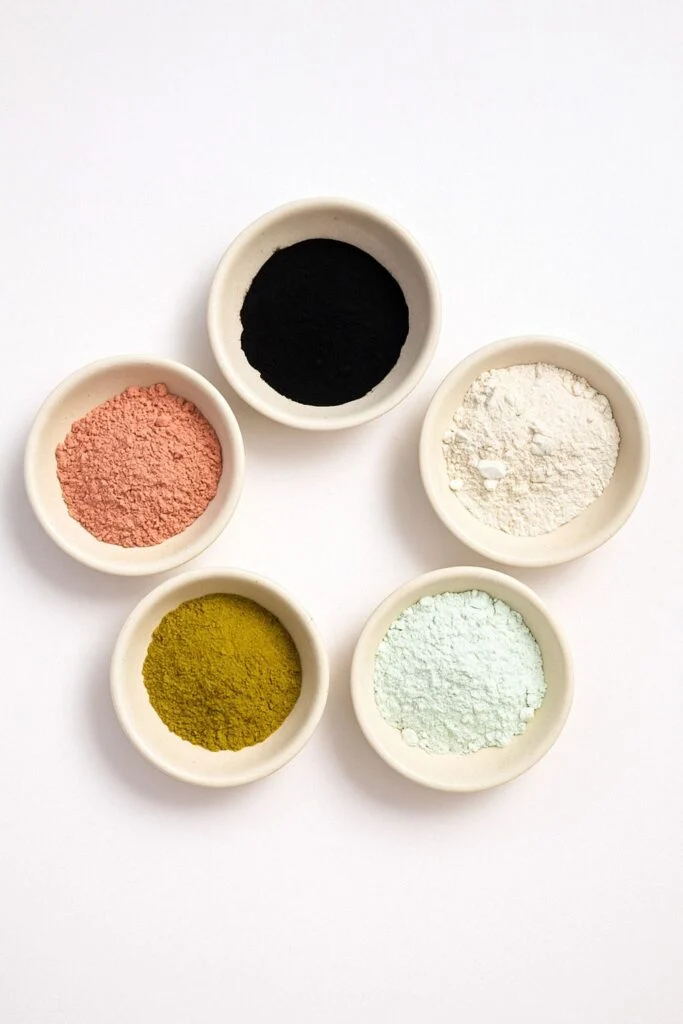
Plant oils and butters, natural glycerin from the saponification itself, clays and plant powders for colour, and pure essential oils for scent. No artificial colours, no synthetic fragrance, no harsh detergents, and no leftover lye.